
- Home
- The Clinic
- Pathologies
- Techniques / Technology
- INUSpheresis®
- Clinical Analysis
- Blog
- Contact
Lyme disease, caused by the spirochemical agent Borrelia burgdoferi, is a very common vector-borne disease in the United States. In 1998, the U.S. Food and Drug Administration approved a recombinant Lyme disease vaccine, which was later voluntarily withdrawn from the market by the manufacturer. An effective human Lyme disease vaccine that has been adequately evaluated in the most at-risk population groups could be very beneficial in preventing Lyme disease; however, it would need to meet high standards of safety, efficacy, cost and public acceptance..
Lyme disease is a multisystem disease caused by Borrelia burgdorferi, which is a spirochete transmitted by ticks of the Ixodes species. Clinical features of human infection include dermatological, neurological, and rheumatological manifestations. In nature, the spirochete is maintained in a complex cycle in which small mammals and birds serve as reservoirs and in which deer determine the abundance of the vector.
Two pharmaceutical companies developed vaccines for Lyme disease in the early 1990s, LYMErix (SmithKlineBeecham) and ImuLyme (PasteurMérieux-Connaught). Both vaccines were based on the external surface protein A of B. burgdoferi (OspA), and both vaccines advanced to Phase III clinical trials involving more than 10,000 participants in each. LYMErix was licensed by the U.S. Food and Drug Administration (FDA) on December 21, 1998 for use in individuals 15 to 70 years of age. It was administered in 3 doses, with 2 booster doses administered at 1 month and 12 months after the primary vaccination. Results of the Phase III trial were favorable and showed 76% efficacy in preventing laboratory-confirmed Lyme borreliosis and 100% efficacy in preventing asymptomatic infection in individuals who completed the 3-dose series. Adverse reactions reported in the trial included mild to moderate local or systemic reactions lasting an average of 3 days.
Based on Phase III clinical trial data, the CDC's Advisory Committee on Immunization Practices (ACIP) issued recommendations in June 1999 for the use of LYMErix in persons residing, working, or recreating in high or moderate risk areas, Lyme disease vaccination is not recommended for persons who have minimal or no exposure to tick-infested habitat.
The ACIP recommendations also issued warnings regarding persons not recommended for vaccination, including persons living, working or recreating in low-risk or no-risk areas.
From December 1998 to July 2000, 1.4 million doses of the vaccine were distributed. According to the Vaccine Adverse Event Reporting System (VAERS), which is a passive surveillance system that monitors vaccine safety after licensure, 905 adverse events were reported during this period. Of these reports, 7.4% were classified as serious, compared with an average of 15% of the 10,000 VAERS reports for all vaccines annually. Under VAERS, a serious event is defined as "one that resulted in life-threatening illness, hospitalization, prolonged hospitalization, persistent or significant disability or incapacity, or death, or required intervention to prevent any of these events" It does not necessarily imply causality. The majority (56%) of adverse events occurred after the first dose of vaccine, and the most common adverse events reported included arthralgia, myalgia, pain, asthenia, headache, headache, flu-like symptoms, fever, injection site pain, rash, and injection site hypersensitivity. Significant attention was paid to vaccine recipients who reported arthritis, rheumatoid arthritis or osteoarthritis. Because the occurrence of arthritis reported as an adverse event among vaccine recipients was considered to be lower than estimated to occur in the background population, the incidence of these events was not considered unexpectedly high. In addition, no temporal association was found between vaccine administration and symptom onset. Accordingly, the CDC and FDA reported no evidence of unexpected or unusual adverse events associated with LYMErix administration, based on the VAERS findings.
Despite the favorable results obtained in the Phase III trial and the lack of evidence of excessive adverse events as reported through VAERS, accounts of patients who had experienced serious vaccine-related complications began to appear in the media and on the Internet. These adverse events were widely publicized, and in December 1999, Sheller, Ludwig and Bailey filed a class action lawsuit.
In February 2002, GlaxoSmithKline (formerly SmithKlineBeecham) voluntarily abandoned distribution of LYMErix, citing poor sales, and withdrew its license several years later. However, one can speculate that a number of perceived factors contributed to GlaxoSmithKline's decision. These include negative publicity linked to unconfirmed adverse events, a threat of class action, perceived safety concerns resulting in reduced public confidence, and what was interpreted by some as a weak public health recommendation for use by the CDC and ACIP [13] . Each of these factors is very important, not only in relation to the failure of LYMErix, but also to the success of future human vaccines against Lyme disease
Prevention of Lyme disease has traditionally focused on reducing human exposure to infected tick bites.
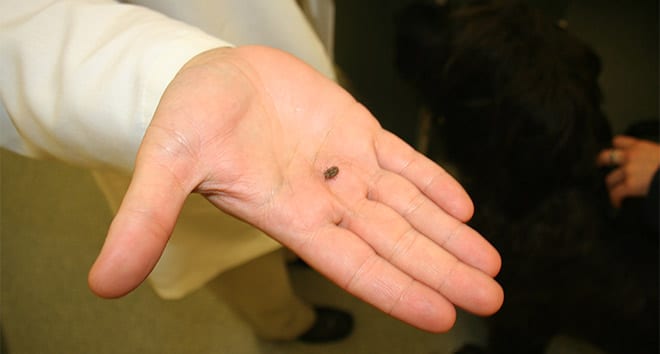
Current recommendations include practices such as the following:
Since the isolation, identification and characterization of B. burgdorferi more than 20 years ago, much progress has been made in understanding the complexity of Lyme disease. Currently, no human Lyme disease vaccine is commercially available, and preventive options have key limitations. However, new insights into the basic biology and molecular genetics of borrelia burgdorferi are promising and may lead to new vaccine candidates. A future Lyme disease vaccine must not only meet the conventional scientific and regulatory challenges required for licensure or authorization, but also address growing public concern to achieve widespread acceptance as an improved vaccine.

The key lesson learned from the history of LYMErix development is that science and innovation alone are inadequate to ensure that the public health value of a vaccine is achieved. The public health community faces complex issues influencing vaccine acceptance at a time of unprecedented interest in the development and availability of new vaccines. The experience with LYMErix serves as a clear signal that public interest and acceptance, initial vaccine limitations (including the complex vaccine schedule), and advocacy groups concerned about vaccine safety in the United States have a tremendous influence on the success of a vaccine. With science and public health as focal points driving a future vaccine, along with a thorough and comprehensive understanding of the environment necessary to foster understanding and appropriate use of a vaccine strategy, a next-generation vaccine can be achieved. A safe and effective Lyme disease vaccine, if produced and accepted, would provide a critical resource in Lyme disease prevention efforts.
Source: Oxford Journals
