
- Home
- The Clinic
- Pathologies
- Techniques / Technology
- INUSpheresis®
- Clinical Analysis
- Blog
- Contact
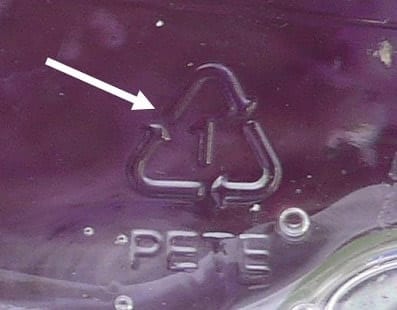
Have you noticed the numbered triangles at the base of the plastic bottles you use? Have you wondered what the number inside the triangle represents? These numbers are known as recycling symbols, and they carry significant information about the material of the plastic bottle.
We are all aware of the basic precept of consumerism: consumers must have the knowledge and information necessary to make the right purchasing decisions. However, very few of us take initiatives to learn in detail the value of the products we have been buying.
In this post we are going to provide you with the most relevant information you need to know about the plastic materials you have been using, probably all your life.
Each plastic container or bottle has a recycling symbol. The symbol is a number ranging from 1 to 7, inside a triangle. They currently provide a wealth of information regarding the toxic chemicals used in the plastic material of the bottle, the likelihood of the plastic leaking, how biodegradable the plastic is and finally the safety of the plastic. Knowing what the numbers mean is crucial because they have direct impacts on health and the environment.
The number 1 inside the triangle represents that the plastic is made of Polyethylene Terephthalate (PETE or PET) used to make bottles for juice, water or other beverages, mouthwash, sports drinks, etc.
This plastic is safe for single use only and should never be heated. Some consider it safe, but this plastic is known to allow bacteria and flavor to build up. If you look carefully, there will be a message on the cover that says: Crush the bottle after use.
Number 1 plastic is recycled in handle bags, furniture, carpets, carpeting, linings, fibers, and fleece and fleece cloths.
The number 2 in the triangle indicates that the container is made of HDPE or high density polyethylene. This plastic is one of the 3 plastics that are considered safe, and have a low risk of leaching.
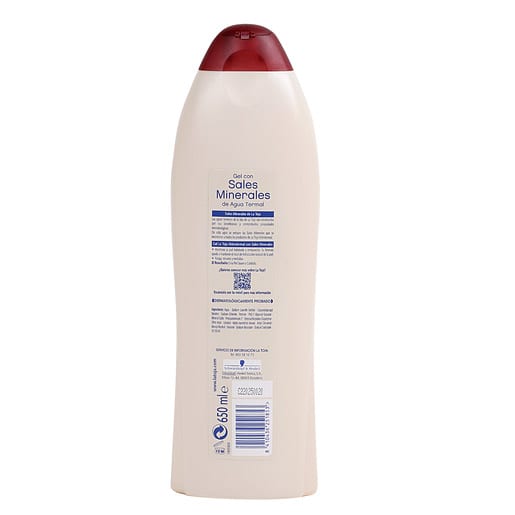
Common uses are: Milk cartons, household cleaner containers, juice bottles, shampoo bottles, cereal box liners, detergent bottles, motor oil bottles, yogurt tubs and butter tubs.
Plastic 2 is recycled into pens, recycling garbage cans, picnic tables, lumber, benches, fences and detergent bottles, to name a few.
If you see the number 3 inside the triangle, throw that plastic away immediately. Avoid using them at all. These plastics are made of V or PVC (vinyl).
Effects: They contain DEHA or Diethylhydroxylamine which can be carcinogenic with long-term exposure. These plastics used contain phthalates, which are linked to numerous health problems ranging from developmental problems to miscarriages. Phthalates are a group of plastics that cause some males of many species to become female.
Common use: food wraps, plumbing pipes and detergent bottles. PVC can be rigid or flexible, and is found in bags for bedding products, meat and sausage packages, plastic toys, tablecloths, medicine packages.
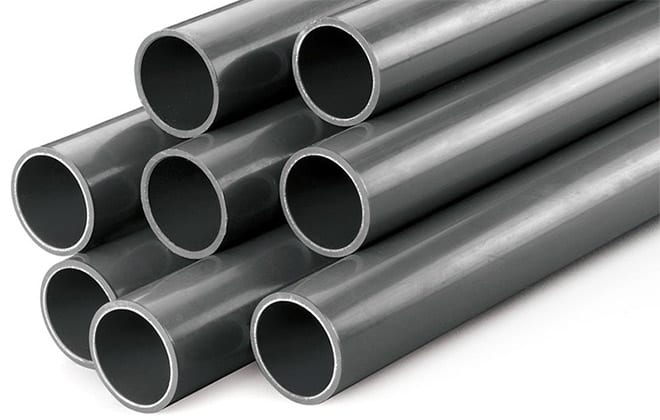
Recycling: This plastic is recycled for siding, flooring, speed bumps, roofing and road gutters.
You can reuse the plastic if it has the number 4 inside the triangle. They are made of LPDE (Low Density Polyethylene). They are used as reusable bags especially for shopping.
This strong, flexible and transparent plastic can be found in squeezable bottles, grocery bags, dry cleaning bags, shopping bags, clothes, carpet, frozen foods, bread bags, and some food wrappers etc.. After recycling, it can be used again in containers and waste garbage cans, envelopes, panels, pipes or tiles.
The number 5 in the triangle is the safest. They are made of PP (Polypropylene). You will find it in ice cream cups, straws and syrup bottles.
Yogurt containers, ketchup bottles, syrup bottles and medicine bottles, etc.
Polypropylene is recycled into brooms, car battery boxes, containers, pallets, signal lights, ice scrapers and bicycle racks.
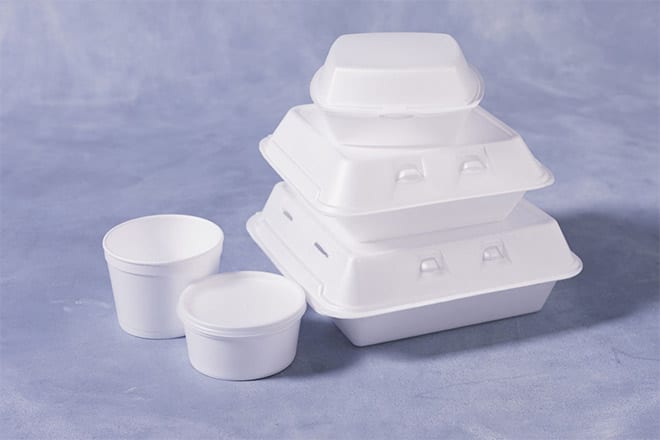
The number 6 inside the triangle indicates dangerous while the number 7 indicates deadly. It may sound a bit exaggerated, but read on to find out why. The plastic in the number 6 is made from polystyrene. Polystyrene is Styrofoam, which is notorious for being difficult to recycle, and therefore bad for the environment. As for number 7, its plastic is made of a mixture of polycarbonate and BISPHENOL-A (BPA). (All plastic resins that don't fit into the other categories are placed in category number 7.)
Effects: They contain hormone disruptors such as BPA, which has been linked to infertility, hyperactivity, reproductive problems and other health problems. Continued use of types 6 or 7 can lead to cancer.
# 6 - Plastic spoons, plastic forks, compact disc cases, egg cartons, meat trays and disposable plates and cups, water bottles (used mainly by athletes).
#7 - Sunglasses, iPod cases, computer cases, nylon, 3 and 5 gallon water bottles, and bulletproof materials.
#6: Egg cartons, vents, foam packing and insulation.
# 7: Most recycling programs would not accept it. This type of plastic poses a huge health risk, leaching potentially toxic chemicals, especially when heated.
The presence of microplastics in the human body is increasingly alarming, as these tiny particles can be transported through the bloodstream and accumulate in vital organs. Their danger is multiplied by the fact that they act as vectors of heavy metals (such as mercury, lead or cadmium) and other toxic chemicals, increasing the risk of inflammation. At Biosalud Day Hospital, we perform specific analyses such as the analysis of toxic substances ToxicChemical Check which detects the presence of toxic compounds accumulated in the body.
As a treatment, Biosalud offers INUSpheresis®, an advanced blood filtration therapy designed to filter and remove accumulated harmful substances. It is a unique, high-tech technique performed using an extracorporeal circulation circuit in which blood purification takes place, removing and eliminating the pathogenic components that cause a disease or its clinical manifestations.
