
- Home
- The Clinic
- Pathologies
- Techniques / Technology
- INUSpheresis®
- Clinical Analysis
- Blog
- Contact
The microbiota, or gut flora, is a microscopic world made up of 100 trillion bacteria housed in the intestine that keep us healthy. On the one hand, it regulates energy supply and, on the other, it protects us from viruses and bacteria that cause disease.
This universe is rich in diversity; at least a thousand types of bacteria, some three million genes, around seventy percent of our immune system, and a hundred million neurons connecting it to the brain coexist in our gut. This richness is still being explored by the scientific community, but the microbiota is considered an organ, and we know a lot about the benefits of keeping it in balance.
When we are born, the microbiota begins to develop in a process that lasts two or three years and, if not interrupted by antibiotic treatment, leads this organism to maturity. Throughout our lives, the type of food we eat and the medications we take will be the main risk factors for maintaining its balance and, therefore, our health.
The functions of this body are:
This intestinal flora is key to the immune system's response: a study published in the journal Cell in October 2017 reported on research coordinated by scientist Pere Santamaría, from Hospital Clínic-Idibaps and the University of Calgary (Canada), which discovered the mechanism by which the microbiota can regulate the immune system's mistaken response that leads to autoimmune diseases.
The attack by certain cells causes inflammation and diseases such as colitis or Crohn's disease. In these cases, bacteria that form part of the gut microbiota act by alerting T lymphocytes, a type of white blood cell that travels to the intestine and acts against the autoimmune disease.
From the perspective of Biological Medicine, we advocate the importance of intestinal balance for maintaining health. This is one of the key steps in the Biosalud Method: intestinal cleansing. We use techniques such as colon hydrotherapy which, together with a balanced diet, allow us to restore balance to the microbiota.
Diet, antibiotic use, and stress are some of the factors that upset the balance of our microbiota, causing it to lose its defensive capacity.
Antibiotic consumption: antibiotics act on bacterial infections and, in doing so, can wipe out a large part of the microbiota bacteria that protect us from infections. We are talking about excessive use of antibiotics, not their consumption when necessary. More recently, it has been found that these types of drugs destroy the intestinal epithelium where nutrients are absorbed and our immune system is located. In other words, antibiotics not only impair the defensive capacity of our microbiota but also affect the immune system itself.
Stress: prolonged stress affects women's microbiota in the same way as foods rich in saturated fats and sugars. This effect alters serotonin production—90 percent of which comes from the microbiota—making women more prone to depression. These are the conclusions of a study led by Professor Laura Bridgewater of Brigham Young University in the US.
We are what we eat. This statement makes a lot of sense in biological medicine. As mentioned above, Biosalud Day Hospital treatments combine therapy at our facilities with a diet that contributes to the restoration of the body.
Considering the benefits to the microbiota, we find two types of foods: probiotics and prebiotics.
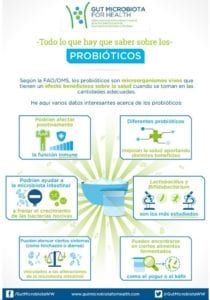
In 2002, theWorld Health Organization(WHO) defined probiotics as "livemicroorganismsthat, when administered in adequate amounts, confer a health benefit on the host." These microorganisms are bacteria or yeasts that, when ingested in sufficient quantities, help restore the intestinal microbiota. They can be found in foods such as yogurt and also in specific products.
Prebiotics are foods that help the intestinal flora grow, such as fruits, vegetables, and nuts, especially oat bran, barley, walnuts, seeds, beans, lentils, peas, and leeks.
