- Home
- The Clinic
- Pathologies
- Techniques / Technology
- INUSpheresis®
- Clinical Analysis
- Blog
- Contact
The medical approach at Biosalud Day Hospital is always based on what we call the Biosalud method, which is simply listening to your body and, through exhaustive testing, getting to know the cause of the illness. This allows us to design a personalized treatment plan that addresses and treats the causes of your ailments, check the results of that treatment on your body, and finally teach you how to maintain the state of health you have achieved.
This method of biological medicine allows us to be highly effective in treating chronic, autoimmune, and infectious diseases because our treatments go beyond symptom reduction. Many of our patients come to us after a series of inaccurate diagnoses or ineffective treatments because the specialists they have seen have only looked at the symptoms.
On Rare Disease Day, which we celebrate on February 28, we feel that we can contribute greatly to the diagnosis of these types of pathologies, thanks to the wide range of diagnostic tests we offer, including genetic analysis, and the modern technology available at our hospital. With the full range of diagnostic methods, tests, and analyses we perform to discover the cause of a disease and then treat it in a personalized way.
Precisely, and on the occasion of Rare Disease Day, the Spanish Federation for Rare Diseases (FEDER) is calling for the promotion of "other forms of diagnosis through the use of new recognizable and validated target biomarkers, including biochemical technology, high-resolution diagnostic imaging technologies, and new approaches to prenatal diagnosis using non-invasive methods."
Biosalud Day Hospital has the technology and treatment units needed to address many of the diseases classified as rare. In fact, mostrare diseases are chronic and degenerative. And Biosalud is a specialist in treating this type of disease. A clear example is Lyme disease, which is a rare disease and for which Biosalud is the only integrative medicine hospital in Spain with expertise in its treatment. Dr. Mariano Bueno is the leading specialist in Spain and a member of the American ILADS (International Lyme and Associated Diseases Society).
If there is one area in which we are experienced professionals, it is in the treatment of Lyme disease, in which we are leading specialists.
Lyme disease is a rare disease. And Biosalud Day Hospital has a treatment that we apply once we have reliably confirmed that a person is affected using Lymecheck.
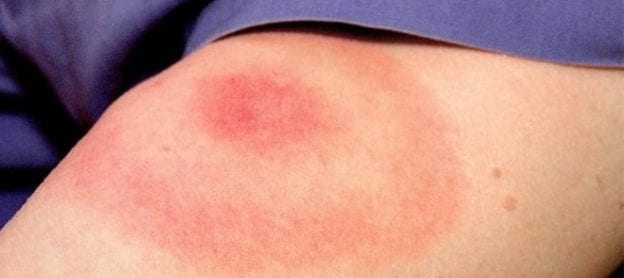
Lyme disease is called "the great imitator" of other diseases and is largely unknown; many people diagnosed with conditions that affect the joints, such as fibromyalgia or chronic fatigue, are actually in the late stages of Lyme disease.
Lyme disease can serve as a paradigm for rare diseases treated at Biosalud. It is an infectious disease caused by the spirochete Borrelia burgdorferi, transmitted by ticks. There is often talk of early Lyme disease and late Lyme disease, that is, different stages of the disease.
Symptoms of Lyme disease may include: skin rash, joint inflammation or pain, nausea, and vomiting...
Autoimmune diseases such as systemic lupus erythematosus, to give an example of a condition in which the immune system attacks itself, are treated in a specific unit at Biosalud Day Hospital, where we provide treatment for diseases that are considered rare due to their prevalence.
It is therefore not surprising that Biosalud is more than prepared to treat rare diseases, or at least many of them.
Now, as Rare Disease Day approaches on February 28, we reaffirm our expertise in this field and our desire to continue contributing as much as possible to the treatment of these conditions, which always bring bad news and create a very difficult situation for those affected and their families.
Rare diseases are those that affect fewer than 5 out of every 10,000 people. But that does not mean that they do not affect a large number of people, since according to the World Health Organization (WHO), there are some 7,000 rare diseases that afflict 7% of the world's population.
Three million Spaniards, 30 million Europeans, 25 million North Americans, and 42 million people in Latin America are affected by rare diseases.
In February, FEDER aims to raise awareness among the general public about rare diseases, which are uncommon illnesses, in order to draw attention to the situations of inequality and injustice experienced by affected families. It has been promoting this message since 2006. In Spain, it coordinates a solidarity network made up of associations, foundations, companies, scientific societies, and other entities that spread this message through various channels. In total, more than 300 entities participate in Rare Disease Day in Spain.
