
- Home
- The Clinic
- Pathologies
- Techniques / Technology
- INUSpheresis®
- Clinical Analysis
- Blog
- Contact
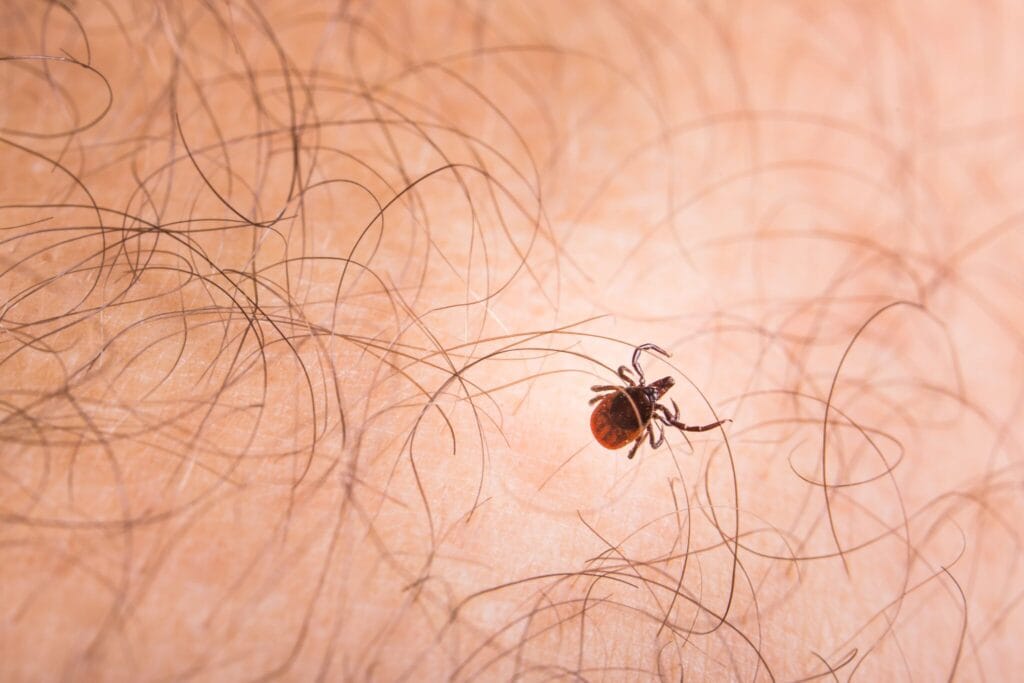
Climate change is contributing to a surge in the tick population, which could lead to a tenfold increase in Lyme disease cases in Spain over the next decade, according to a review of studies by the SOS Lyme Foundation. In Canada, cases are estimated to quadruple by 2050, as are the associated costs, according to a study published this month in Environmental Health Perspectives. Researcherssay that as a result of the climate emergency, almost all of Canada will be conducive to the development of ticks, which are the most common cause of Lyme disease.
"Epidemiological studies around the world are detecting a significant increase in ticks throughout the year due to global warming. In Spain, they used to appear in spring, but we are now detecting them earlier and earlier," warns Dr. Mariano Bueno, president of the SOS Lyme Foundation and director of Biosalud Day Hospital. The consequence is "a geometric progression of bites through which diseases are transmitted, notably Lyme disease, although symptoms may not appear until years later in some cases," he adds. According to the National Epidemiology Center of the Carlos III Health Institute, the number of hospitalizations for Lyme disease has tripled in Spain between 2005 and 2019.
Bites occur both directly, he says, especially when engaging in outdoor activities, whether in nature or in parks, and indirectly, through pets. This is reflected in a study published this month in Veterinary Sciences. The authors warn of "the importance of continuous monitoring of pets in the management and control of tick-borne diseases."
Dr. Bueno recommends going out into the countryside wearing long pants and boots to avoid the risk of bites as much as possible. And for dog and cat owners, "be alert to any discomfort they may show when they return from outside, especially if they have been in contact with grass and bushes."
Another study conducted in Great Britain and published last January in Parasites and Vectors, highlighted the importance of communicating "healthmessagesaimedatpetownersandveterinarians,identifyinganimals,seasons, andareasathighestriskoftickattachment, andallowingformorepersonalizedprophylaxistoreducethetickburden, appropriateantiparasitictreatment,andpossibletick-bornediseasesincompanionanimalsandhumans."Inthe United Kingdom, more cases of bites were detected in areas with grass and forests.
Lyme disease is an infectious, multi-organ condition transmitted through the bite of ticks, mosquitoes, fleas, bedbugs, or other insects infected with the bacteriumBorrelia burgdorferiand its co-infections. If early containment measures are not taken, it can lead to chronic and severe Lyme disease, which can even cause death.
The main symptoms of Lyme disease are rash, migraine, headache, neck and throat pain, other muscle and joint pain, fever and chills, fatigue and loss of appetite, swollen glands, neurological and cardiac problems, vision problems, and liver discomfort. These symptoms are similar to those of other diseases, which is why Lyme syndrome is known asThe Great Imitator. "It is suspected that many patients diagnosed with fibromyalgia, chronic fatigue, neurodegenerative diseases, or autoimmune diseases are cases whose origin is Lyme disease," explains Dr. Mariano Bueno.
Once the clinical diagnosis of Lyme disease has been confirmed and the blood tests selected in each case by an expert physician have been performed, "it is important to apply treatment as soon as possible so that the disease does not progress and destroy or weaken the immune system. To do this, different options are used, from antibiotics and anti-infective medicinal plants to advanced procedures such as INUSpheresis, which eliminates toxins in the body through a sophisticated blood plasma filtration system, or intravenous laser photodynamic therapy, whole-body hyperthermia, or Papimi," says Dr. Bueno. "The good news is that Lyme disease can be cured if treated early. But in many cases, it is a long and difficult road for both the patient and their close family members, as well as for the doctors who treat it," he adds.
At Biosalud Day Hospital, we develop personalized protocols for the treating Lyme disease for each patient, as the extent of the infection and possible associated infections (co-infections) varies greatly in each case.
