
- Home
- The Clinic
- Pathologies
- Techniques / Technology
- INUSpheresis®
- Clinical Analysis
- Blog
- Contact
Neuropathic pain consists of a malfunction of the somatosensory system, which carries stimuli of different kinds (tactile, thermal, etc.) to the areas of the brain where this information is processed.
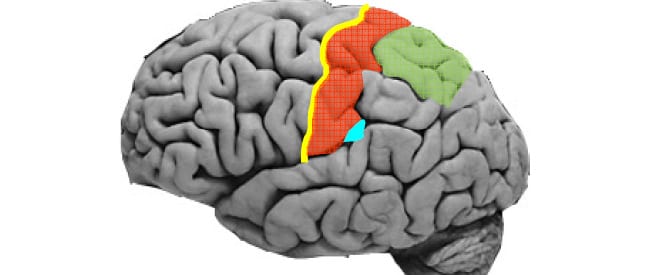
When the somatosensory system suffers damage due to many causes, such as diabetes mellitus , the patient begins to feel trivial stimuli as painful or to perceive painful stimuli that would not normally be painful.
Diabetic neuropathies are a family of nerve disorders caused by diabetes. People with diabetes may, over time, develop nerve damage throughout the body. Some people with nerve damage have no symptoms. Others may have symptoms such as pain, tingling or numbness, and loss of sensation in the hands, arms, feet, and legs. Nerve problems can occur in all organ systems, including the digestive tract, heart, and sexual organs.
About 60 to 70 percent of people with diabetes have some form of neuropathy. People with diabetes can develop nerve problems at any time, but the risk increases with age and longer duration of diabetes. The highest rates of neuropathy are found among people who have had diabetes for at least 25 years. Diabetic neuropathies also appear to be more common in people who have trouble controlling their blood glucose, also called blood sugar, as well as those with high blood fat and blood pressure levels and those who are overweight.
The causes are likely different for different types of diabetic neuropathy. Researchers are studying how prolonged exposure to high blood sugar levels causes nerve damage. Nerve damage is likely due to a combination of factors:
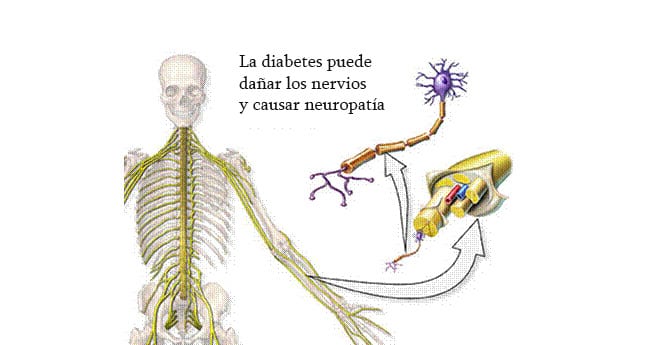
Symptoms depend on the type of neuropathy and the nerves that are affected. Some people with nerve damage have no symptoms at all. For others, the first symptom is often numbness, tingling, or pain in the feet.
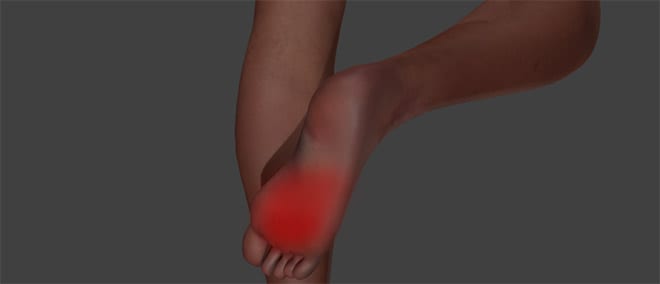
Symptoms are often minor at first, and since most nerve damage occurs over several years, mild cases may go unnoticed for a long time. Symptoms can affect the sensory, motor, and autonomic nervous systems. In some people, especially those with focal neuropathy, the onset of pain can be sudden and severe.
Symptoms of nerve damage may include
Symptoms that are not caused by neuropathy but often accompany it include weight loss and depression.
Diabetic neuropathy can be classified as peripheral, autonomic, proximal, or focal. Each type affects different parts of the body in different ways.
Peripheral neuropathy, also called symmetrical distal neuropathy or sensory-motor neuropathy, is damage to the nerves in the arms and legs. The feet and legs are likely to be affected before the hands and arms. Many people with diabetes have signs of neuropathy that a doctor might notice, but they do not feel any symptoms. Symptoms of peripheral neuropathy may include:
These symptoms tend to worsen at night.

Peripheral neuropathy can also cause muscle weakness and loss of reflexes, especially in the ankle, leading to changes in the way a person walks. Foot deformities can occur, such as hammer toes and collapse of the midfoot. Blisters and sores may appear on numb areas of the foot because pressure or injury goes unnoticed. If there is an infection and it is not treated in time, the infection can spread to the bone, and then the foot may have to be amputated. Many amputations can be prevented if minor problems are caught and treated early.
The best way to prevent neuropathy is to keep blood glucose levels as close to normal as possible. Maintaining safe blood glucose levels protects the nerves throughout the body.
Doctors often treat painful diabetic neuropathy with oral medications, although other types of treatments may help some people. People with severe nerve pain may benefit from a combination of medications or treatments and should consider talking to a doctor about treatment options.
Medications used to help relieve diabetic nerve pain include:
All medications have side effects, and some are not recommended for use in older adults or people with heart disease. Because pain medications such as acetaminophen and ibuprofen may not work well for treating most nerve pain and may have serious side effects, some experts recommend avoiding these medications.
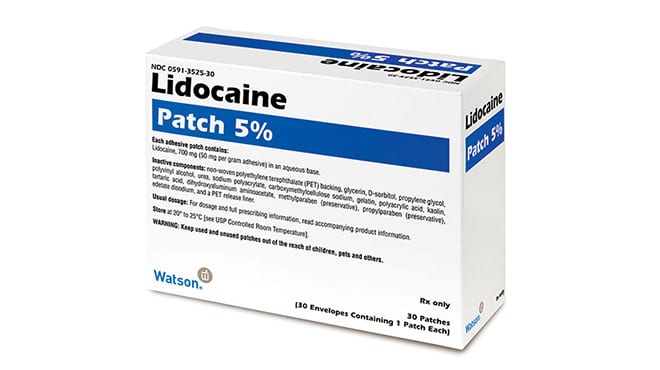
Treatments applied to the skin—usually on the feet—include capsaicin cream and lidocaine patches (Lidoderm, Lidopain). Studies suggest that nitrate sprays or foot patches may relieve pain. Studies on alpha-lipoic acid, an antioxidant, and evening primrose oil suggest that they may help relieve symptoms and improve nerve function in some patients.
A device called a bed cradle can keep sheets and blankets from touching sensitive feet and legs. Acupuncture, biofeedback, or physical therapy may help relieve pain in some people. Treatments involving electrical nerve stimulation, magnetic therapy, and laser or light therapy may be helpful but need more study. Researchers are also studying several new therapies in clinical trials.
