
- Home
- The Clinic
- Pathologies
- Techniques / Technology
- INUSpheresis®
- Clinical Analysis
- Blog
- Contact
Persistent fatigue, generalized pain, and inflammation can be symptoms of heavy metal accumulation in the body, which affects between 50% and 70% of the population, according to a review of studies by Biosalud Day Hospital. This percentage rises in those who have symptoms of fatigue or persistent pain and inflammation. In a sample of 169 people who had visited the clinic between 2022 and 2023 with these symptoms, high concentrations of heavy metals were found in 99% of the cases analyzed. The most common heavy metals were, in this order, mercury, nickel, aluminum, tin, silver, and lead.
Heavy metal poisoning occurs when a person is exposed to excessive levels of certain metals in their body, either through inhalation, ingestion, or skin absorption. "Some of the most common are lead, aluminum, mercury, cadmium, and arsenic, which, along with other chemicals, may be present in food, water, clothing, cosmetics and personal hygiene products, technological devices, and everything in our environment," explains Dr. Mariano Bueno, director of Biosalud Day Hospital.
Lead can be found in pipes, contaminated dust, water sources, soil, etc. Mercury is found in oily fish and shellfish, especially large predators, as well as in old amalgam (gray) fillings. Meanwhile, cadmium can also be present in shellfish, cereals, and green leafy vegetables due to soil and water contamination, as well as in tobacco. Arsenic can be found in drinking water, rice, and seafood products. Aluminum is found in current vaccines and cosmetics, such as deodorants.
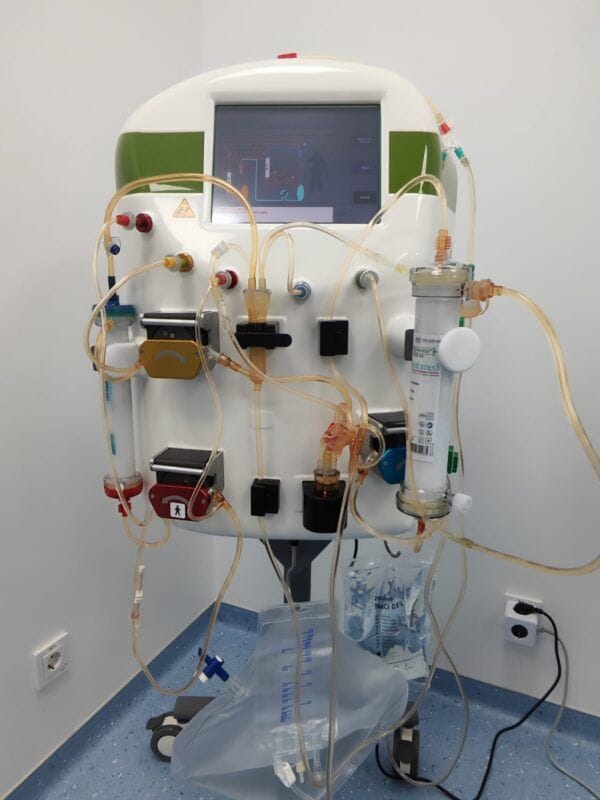
Heavy metals can be detected with a simple hair test. "There are different techniques for removing heavy metals from the body, but the most advanced and effective is Inuspheresis. It consists of double filtering of blood plasma, which removes a large part of these metals from the body, which cause numerous pathologies and symptoms," says Dr. Bueno. Through an extracorporeal circulation circuit, "blood purification is performed, extracting and eliminating the toxins and pathogenic components that cause a disease or its clinical manifestations. All this without affecting electrolytes or other necessary components," he adds. Biosalud Day Hospital is the only center of reference in Spain that uses Inuspheresis.
"The symptoms of heavy metal poisoning vary depending on the metal and the amount present in the body," explains Dr. Bueno, but some common symptoms and effects include neurological problems, kidney damage, gastrointestinal problems, liver damage, high blood pressure and cardiovascular disease, bone damage (fractures or osteoporosis), skin problems (including cancer), and harmful effects on fetuses (birth defects, failure to thrive).
In the case of cadmium, dozens of studies have been published linking its presence in different populations, sometimes accompanied by other metals such as lead, arsenic, and mercury, with the risk of fractures in non-smokers (Sweden), elevated parathyroid hormones (China), kidney disease in diabetic patients (China), prostate cancer (South Korea), death in patients with COPD (United States), depression (China), cardiovascular disease (India), kidney disease (Italy), early menarche and, therefore, increased kidney and cardiovascular risk (Korea); and hearing loss (China), among others.
Regarding prevalence in the general population, a multicenter study led by Hospital del Mar and published this January shows that 70% of the population of Barcelona has heavy metals such as lead, silver, arsenic, cadmium, mercury, antimony, strontium, thallium, and six essential trace elements. A previous study from 2020, led by the University of Granada, found concentrations of heavy metals in 51% of the population.
