
- Home
- The Clinic
- Pathologies
- Techniques / Technology
- INUSpheresis®
- Clinical Analysis
- Blog
- Contact
All cultures have had dietary patterns that are believed to promote human health. For example, in general, a healthy diet has always been considered to be one that contains more vegetables.
In different traditions , garlic is used as a prophylactic and therapeutic medicinal plant and has played important dietary and medicinal roles.
Historically, many civilizations have spoken of the beneficial properties of garlic.
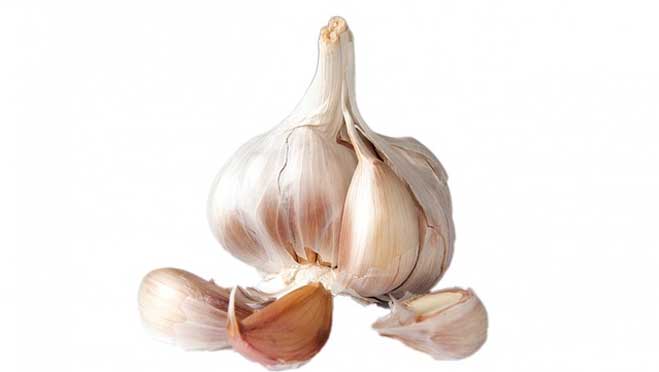
In ancient Egypt, up to 10 percent of fertile land was devoted to growing garlic, as the Egyptians were aware of its health benefits. But they didn't just grow it; they also used it in embalming because of its antibacterial properties.
Ancient Chinese (TCM) and Indian (Ayurvedic) medicine recommends garlic to aid breathing and digestion and to treat leprosy and parasitic infestation.
Yale University in the United States preserves the Yale Culinary Tablets, dating back to 1600 BC, which describe sophisticated recipes using garlic and leeks.
But it was the Roman Empire that spread its cultivation throughout Europe.
And it was the Spanish who brought it to America before 1500, making countries such as Argentina and Mexico leaders in its production and giving garlic a prominent place in their cuisine.
The garlic plant, a bulbous plant that grows up to 1.2 meters tall, is native to Asia, specifically to the area around the cities of Samarkand, Tashkent, and the Fergana Valley. One of its great advantages is that it can be grown in any type of soil and climate. In fact, it is grown in Mexico at an altitude of 3,000 meters and in Tibet at 5,000 meters.
The main component of garlic is allicin. However, it should be noted that this substance is not found in a clove of garlic, but rather garlic contains alliin, a sulfur-containing amino acid that, through the action of the enzyme alliinase and in the presence of oxygen, is converted into allicin when garlic is crushed or cut. If a whole clove of garlic is eaten, allicin is not consumed. As soon as allicin is ingested, it is detected by the lungs, hence garlic's excellent bactericidal action in the case of lung infection.
Allicin is a very complex and unstable compound that transforms into different molecules when dissolved in water or heated. When heated, it becomes ajoene, an organosulfur compound with significant pharmacological activity.
Numerous studies have determined that garlic contains a large number of potent bioactive compounds with anti-cancer properties. The growth rate of cancer cells is reduced by garlic, with cell cycle arrest occurring at the G2/M phase (Capasso, 2013).
In a study led by Dr. Dominique Boivin at the University of Quebec in Montreal in 2009, it was found that cabbage, cauliflower, and broccoli slow the growth of certain types of cancer cells, but garlic extract achieves the same result in all types of tumor cells and is also a vegetable with extensive antioxidant capacity.
Subsequent studies have shown that the organosulfur compounds in garlic interfere with tumor cell metabolism by enhancing the repair of abnormal DNA strands or blocking the growth of cancer cells.
Garlic has a variety of anti-tumor effects, including tumor cell growth inhibition and chemopreventive effects. In rodents, garlic and its components have been reported to inhibit the development of chemically induced tumors in the liver, colon, prostate, bladder, mammary gland, and esophagus.
Garlic has free radical scavenging properties, is an antioxidant, and regulates cell proliferation, apoptosis (programmed cell death), and immune response. Garlicene, a rich sulfur compound soluble in garlic oil and a stable natural compound derived from garlic, has been shown to induce apoptosis in leukemia cells.
Similarly, diallyl trisulfide in garlic prevents cancer cells from growing through intracellular action and is effective in prostate adenocarcinoma.
Furthermore, in the case of lung cancer, garlic slows tumor progression by 50 percent and reduces lung metastasis.
On the other hand, allicin inhibits the proliferation of endometrial cells and colon cancer.
In conclusion, we can say that fresh chopped or crushed garlic and garlic oil slow the growth of all types of tumor cells and are also one of the vegetables with the highest antioxidant capacity.
Louis Pasteur discovered the antibiotic properties of garlic in vitro using bacterial cultures.
However, there have been numerous subsequent studies. Of particular note is the study conducted in India in 1999 by Dr. D.S. Arora and Dr. J. Kaur, according to which garlic eliminates two highly pathogenic bacteria, Salmonella epidermidis and Salmonella typhi, and is also more effective against candidiasis than the chemical antifungal agent Nystatin.
Candida adhesion is also greatly reduced in the presence of garlic extract (Ghannoum, 1990). Once again, this effect is diminished by the addition of thiol compounds. The addition of ajoene to some fungal growth mixtures, including Aspergillus niger, C. albicans, and Paracoccidiodes, has resulted in inhibition at lower concentrations than that experienced with allicin.
The other thiosulfinates in garlic also have bactericidal and antifungal properties, but to a lesser extent than allicin.
In intestinal infections, including Candida albicans, garlic extract is effective against both gram-negative and gram-positive bacteria.
As an antibiotic, garlic's allicin is as effective as penicillin. Just 0.09 milligrams of allicin dissolved in one liter of water has the same bactericidal effect as conventional antibiotics.
Aspergillus, a very aggressive mold, is also counteracted by garlic. In 2010, at the Weizmann Institute of Science in Israel, Dr. E. Appel demonstrated that allicin is effective in immunocompromised mice with pulmonary aspergillosis.
Recent trials have shown that Chinese traditional medicine experts, who have long used alcoholic garlic extracts to combat intestinal worms, were not mistaken. Garlic combats feared parasites such as Giardia intestinalis, Leishmania sp, Loa loa, which causes filariasis, and Trypanosoma brucei, which causes sleeping sickness or African trypanosomiasis.
Studies conducted in Nigeria in 1996 by Dr. Nok confirmed the effectiveness of garlic against several types of African trypanosomes.
Garlic also blocks Plasmodium, a parasite that causes many deaths in regions with malaria.
Garlic consumption has significant effects on lowering blood pressure, preventing atherosclerosis, reducing serum cholesterol and triglycerides, inhibiting platelet aggregation, and increasing fibrinolytic activity (Chan et al., 2013).
In in vivo animal experiments, intravenous administration of garlic extracts produced slight reductions in systolic and diastolic blood pressure.
As for high blood pressure, when the allyl compounds in garlic are converted into hydrogen sulfide, they reduce it by 75%.
Garlic also strengthens heart protection by repairing damaged tissue in the event of an acute myocardial infarction. This is because garlic creates hydrogen sulfide and nitric oxygen, substances that have a beneficial effect on endothelial cells and cardiomyocytes.
As a summary of the beneficial effects of garlic on cardiovascular disease, an article published in Phytotherapy Research and coordinated by J.Y. Chan confirms that it is a vasodilator, reduces leukocyte adhesion, and is hypoglycemic and hypolipidemic.
Various studies have shown that people with blood cholesterol levels above 200 mg/dl reduce their cholesterol by an average of 17 mg/dl and their LDL, or bad cholesterol, by 9 mg/dl, provided they consume garlic for at least 2 months.
In the case of diabetes, in 2006, an experiment in Iran by A. Eidi, with diabetic mice that were given hydroalcoholic extracts of garlic juice, showed that blood levels of glucose, cholesterol, triglycerides, urea, uric acid, creatinine, and AST and ALT transaminases were reduced, and insulin levels were increased.
At the University of Pittsburgh in the US, an experiment was conducted by Dr. A.A. Powolny's team, which found that diallyl trisulfide, which is abundant in garlic, increased the longevity of worms when treatment was started at an early stage. Subsequent molecular studies revealed that this garlic compound strengthens the transcription factor of the skn-1 gene, a longevity gene.
Garlic should be eaten raw (one or two cloves a day)so that the alliin is converted into allicin on contact with oxygen. It should be eaten chopped or crushed and immediately so that it has full effect. One or two cloves a day are ideal for good health. To alleviate the smell of allicin in garlic, which is evident in our breath, we recommend drinking cold water immediately after eating chopped garlic to refresh our mouth and tongue.
While crushed garlic is effective when applied to the soles of the feet due to its antibacterial properties, the problem is the unpleasant odor it produces.
Since there are different types of garlic, it is best to consume Spanish garlic.
A smart and very healthy way to eat garlic is by making aioli.
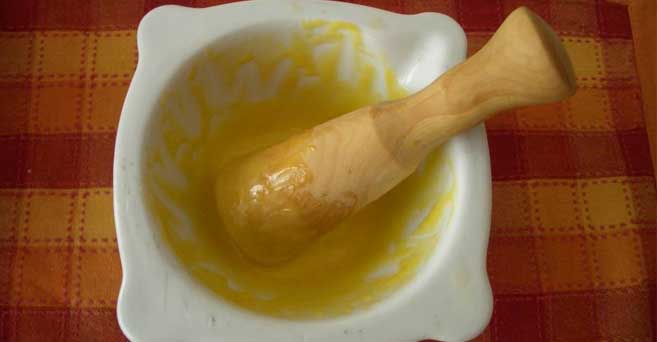
The process is as follows. Crush a couple of large garlic cloves in a wooden mortar, add a few drops of lemon juice, and after 3 or 4 minutes, add oil drop by drop to the mixture while stirring slowly. Then, a pinch of salt and an egg yolk will complete this mixture, which is a golden food for our health.
The Tibetan garlic cure is an ancient medicinal recipe created by Buddhist monks in Tibet that takes advantage of garlic's many properties.
This cleansing therapy is very effective for treating various illnesses and for healthy weight loss. It is also simple and inexpensive; anyone can prepare it.
¢ We will need 350 grams of garlic, preferably organic.
¢ One quarter liter of 70 percent alcohol.
Place the garlic mixed with 70% alcohol in a glass container such as a jar, bottle, or jar. Cover it tightly and place it in the refrigerator for ten days. Once this period is over, filter the mixture through a mesh strainer and return it to the refrigerator for another 3 days. The resulting liquid may have a greenish tint. After this time, you will have everything you need to begin the treatment.
It is vitally important to follow the preparation steps carefully. We must carefully measure the drops we include, diluted with water, 20 minutes before each of the three meals we eat every day. To help us control this, we will use a dropper, which we will also keep in the refrigerator:
Day 1: 1 drop before breakfast, 2 drops before lunch, and 3 drops before dinner.
Day 2: 4 drops before breakfast, 5 drops before lunch, and 3 drops before dinner.
Day 3: 7 drops before breakfast, 8 drops before lunch, and 9 drops before dinner.
Day 4: 10 drops before breakfast, 11 drops before lunch, and 12 drops before dinner.
Day 5: Before breakfast, 13 drops; before lunch, 14 drops; and before dinner, 15 drops.
Day 6: Before breakfast, 15 drops; before lunch, 14 drops; and before dinner, 13 drops.
Day 7: 12 drops before breakfast, 11 drops before lunch, and 10 drops before dinner.
Day 8: 9 drops before breakfast, 8 drops before lunch, and 7 drops before dinner.
Day 9: 6 drops before breakfast, 5 drops before lunch, and 4 drops before dinner.
Day 10: 3 drops before breakfast, 2 drops before lunch, and 1 drop before dinner.
Once the tenth day has passed, we will include 25 drops in our diet 3 times a day.
It is vitally important that the treatment should not be repeated in the next 5 years, as stated in the manuscript.
In this cure, as in any other, we may observe common symptoms, especially in the early days, caused by the detoxifying action of garlic, such as skin rashes, headaches, and other discomforts.
It is advisable to drink plenty of water between meals, and if these symptoms persist, consult a naturopath or doctor.
