
- Home
- The Clinic
- Pathologies
- Techniques / Technology
- INUSpheresis®
- Clinical Analysis
- Blog
- Contact
The symptoms of irritable bowel syndrome are abdominal pain, bloating, and changes in bowel habits, i.e., diarrhea, constipation, or both.
Almost all patients have mild symptoms such as:
However, sometimes the symptoms can be more severe and consist of pain so intense that it prevents the person from performing any daily tasks.
Despite these clear symptoms, 2 out of 5 people in our country do not know what this syndrome is and that they suffer from it.
Since analytical, endoscopic, and radiological studies are normal in these patients, the diagnosis is made based on clinical criteria. In this regard, it is essential to ask the patient a series of questions, as an accurate medical history accounts for more than 80 percent of the diagnosis.
The usual approach is to ask the patient to undergo tests and more tests to rule out other diseases, when it is suspected with certainty that it is irritable bowel syndrome. In cases where there is diarrhea, tests must be done to rule out other conditions such as lactose malabsorption, inflammatory bowel disease, or celiac disease.
At Biosalud, we consider a stool analysis or Koprocheck® to be essential for the diagnosis of irritable bowel syndrome, as this disease coincides with changes in stool consistency and bowel movement frequency.
The analysis involves collecting three samples on three consecutive days to quantify the intestinal flora, the presence of candidiasis, and various digestion and absorption parameters, as well as quantifying secretory IgA and markers of intestinal health (occult blood, red blood cells, pH).
Irritable bowel syndrome is a chronic disorder of the digestive tract that is the second leading cause of work absenteeism after the common cold. Although there are mechanisms and therapies to alleviate the symptoms, there is currently no cure.
Yes, colon hydrotherapy is highly recommended to thoroughly cleanse the intestine.
This is a disease for which research has not yet reached any clear conclusions.
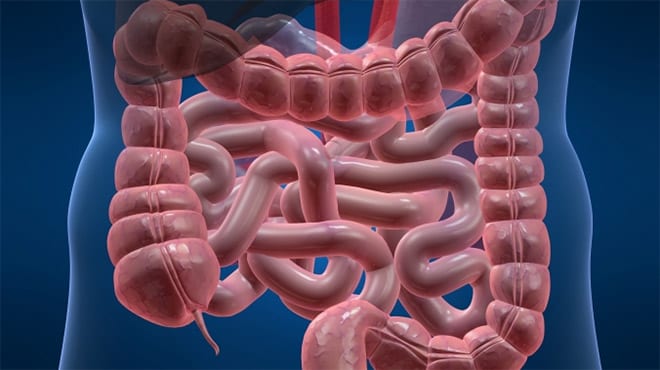
The causes of this syndrome are also unclear.
A recent European study conducted in nine countries has shown that people do not have the necessary information about this syndrome. The study, called the Taboo Study: Women with Irritable Bowel Syndrome, found that Spain ranks fifth in terms of information about the condition, behind countries such as Italy, Germany, and the Netherlands.

The patient may alternate between periods of diarrhea and constipation, and the pain, as we have said, can sometimes be incapacitating. So it significantly affects the quality of life of the person suffering from it, even though it is not life-threatening and does not increase the risk of cancer.
As general advice, specialists recommend following a healthy diet that is low in fat and includes plenty of fluids, doing physical exercise that is appropriate for each individual, and engaging in social relationships and relaxing activities that bring us satisfaction.
