- Home
- The Clinic
- Pathologies
- Techniques / Technology
- INUSpheresis®
- Clinical Analysis
- Blog
- Contact
Each person's genetic characteristics influence the quality of nutrient absorption and the onset of disease, regardless of the food we eat—although we generally always recommend following a balanced diet such as the Mediterranean diet. However, there are foods that contain toxins that pass into our bodies if we eat them in large quantities. Fish contaminated with mercury is one of them.
The protein provided by fish and seafood is of high quality, and fish with a high Omega-3 content is particularly recommended. These fatty acids have multiple health benefits: they help prevent cardiovascular disease, regulate cholesterol levels, strengthen the immune system, promote baby development, and help improve mood in cases of depression, among other things.
Oily fish —salmon, mackerel, herring, tuna, conger eel, dogfish, swordfish, turbot, etc.—is richer in omega-3 and is recommended for consumption more often than white fish. However, it is this type of fish, oily fish, that can contain higher amounts of mercury due to the high pollution of marine waters. So much so that even the European Food Safety Authority has studied the recommended consumption levels for these species.
The EFSA has assessed the risk-benefit ratio of fish consumption and has established, in general terms, the recommended weekly servings of fish or seafood to improve neurodevelopmental outcomes in children and reduce the risk of mortality from coronary heart disease: between 3 and 4 servings per week, of which 2 to 3 should be servings of oily fish.
However, given the very different consumption patterns between countries in the European Union, it delegates specific recommendations to national health authorities. In Spain, the species that we commonly find in our diet and that we should avoid include swordfish, blue shark, bluefin tuna, and pike. Does this mean that we cannot eat these types of fish? No, but it is recommended that we wait at least two weeks between consuming them.
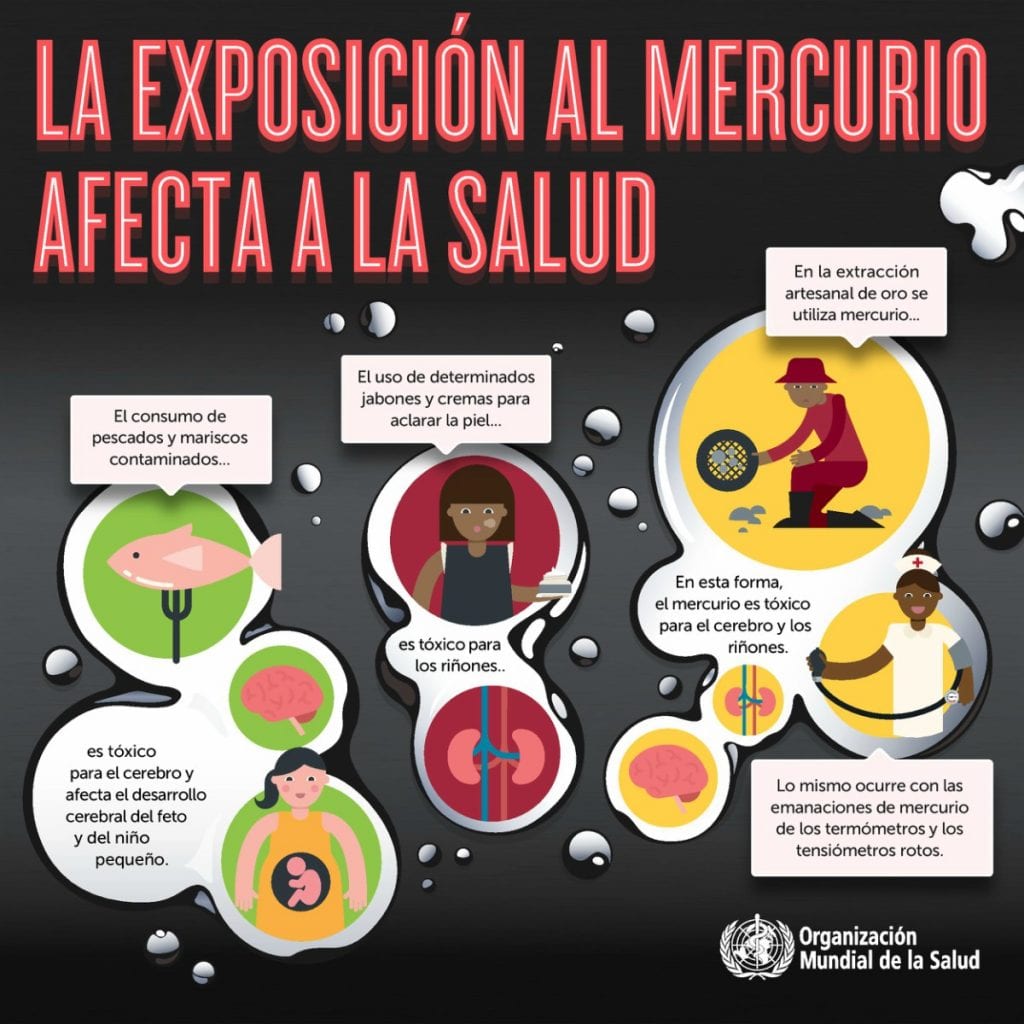
Mercury is not the only heavy metal found in fish; cadmium, lead, and arsenic also pose a risk to our health. However, if we look at methylmercury, which is the type of mercury that is harmful to the body, we find that the consequences of poisoning are severe:
At Biosalud Day Hospital, we use chelation therapy as a treatment to eliminate heavy metals from the body and we have specific analytical tests to detect the presence of these substances in the body. From Biological Medicine, we maintain a holistic approach to medicine and take into account all the factors that determine the onset of a disease. In our daily practice, we find the presence of heavy metals in people suffering from neurodegenerative diseases, those with memory problems, and even chronic dermatological diseases.