
- Home
- The Clinic
- Pathologies
- Techniques / Technology
- INUSpheresis®
- Clinical Analysis
- Blog
- Contact
Sciatica is defined as pain or discomfort associated with the sciatic nerve, which runs from the lower back to the lower legs and feet. It occurs most frequently in adults between the ages of 20 and 60, and it is estimated that up to 40% of the population will experience sciatica at some point in their lives.
In older age groups, sciatica occurs more often as a result of diseases caused by spinal degeneration, such as spinal stenosis. This occurs when the pathways through which the nerves travel become narrowed. This causes compression and/or irritation of the sciatic nerve.
The sciatic nerve is the largest and longest nerve in the body. It originates in the lower spine, branches into the pelvis, then travels through the buttocks to the back of the legs and branches into the legs and feet. Sciatic pain occurs when there is pressure or damage to the sciatic nerve.
Causes
The most common cause of sciatica is a herniated disc (also called a slipped disc). This occurs when one of the soft, gel-filled discs between the vertebrae of the spine protrudes or ruptures, compressing or irritating the sciatic nerve.
Muscle spasmscan alsocause sciatica by compressing the sciatic nerve as it travels through the muscles. One such condition is piriformis syndrome, where the piriformis muscle irritates the sciatic nerve.
Other less common causes of sciatica include:
Factors that increase the likelihood of developing sciatica include:
Essentially, any injury or process that causes compression of the sciatic nerve can be the cause of sciatic pain. In many cases, however, there is no specific cause for sciatic pain that can be identified.
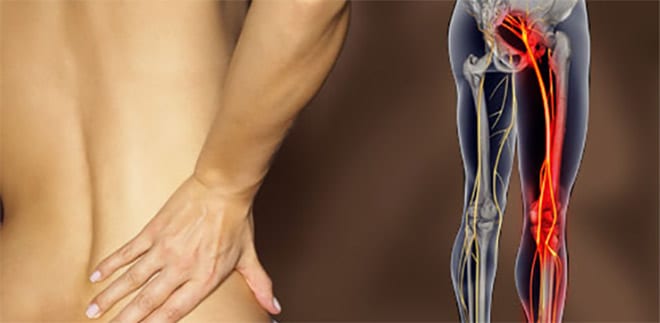
The pain caused by sciatica can range from mild to very severe. It can occur suddenly or have a gradual onset. Sciatic pain is described as a cramping pain that can be burning or sharp in nature. It may be associated with sensations such as tingling, pins and needles, numbness, and weakness.
Sciatic pain is usually felt in the lower back and hip and radiates down the back of one leg. The distinguishing feature that sets it apart from other types of back pain is that the pain travels below the knee. The pain can be aggravated by specific actions, such as sneezing, coughing, standing up, or sitting down.
Pain and symptoms are generally most severe in the early stages of the condition, when compression and inflammation of the sciatic nerve are at their highest level. It is common for pain to gradually decrease after this time until it resolves completely—usually within four to eight weeks.
In rare cases, compression of the sciatic nerve can be so severe that there is progressive weakness in the legs and/or loss of bowel and bladder function. If these symptoms are experienced, medical attention should be sought immediately, as they may indicate severe nerve damage.
In order to make an accurate diagnosis, the doctor will take a detailed medical history, including the nature and duration of the symptoms, and what action or event leads to the onset of pain. Neurological function will be assessed by checking strength, sensitivity, and reflexes in the legs. If loss of bowel or bladder control has been experienced, the doctor may perform a rectal exam to check for loss of sensation and muscle tone.
If sciatic pain persists for several weeks, X-rays may be taken to evaluate changes in the bones of the spine and pelvis and to rule out other causes of pain, such as tumors and infections. A CT (computed tomography) scan or MRI (magnetic resonance imaging) may be recommended in some cases to evaluate the nerves, discs, and spine in more detail.
The primary goal of initial treatment is pain relief.

Treatment and relief options for sciatica include:
Bed rest was traditionally recommended for treating sciatica, but this is no longer the case. Research has shown that bed rest does not tend to speed up recovery and may actually hinder it. It is now recommended that heavy physical activity should be avoided, but moderate activity should be maintained. It is believed that maintaining activity with the help of overall recovery helps to reduce inflammation.
Painkillers such as paracetamol and non-steroidal anti-inflammatory drugs (NSAIDs) are commonly used to treat sciatic pain. In cases where muscle spasms are believed to be the cause, muscle relaxants may be recommended. When the pain is severe, the use of opioids (e.g., pethidine, morphine) may be necessary. Other medications that may be used include low doses of antidepressants (which reduce nerve stimulation) and epidural cortisone injections.
Manipulation, the use of heat and/or cold, and specific exercises can be helpful in treating the condition.
Some people may find relief from symptoms through osteopathy, chiropractic care, massage, or acupuncture.
Although most cases of sciatica resolve within four to eight weeks, surgery may need to be considered in severe and prolonged cases where non-surgical treatment has been unsuccessful. The goal of surgery is to relieve pressure on the sciatic nerve. This may involve removing part of one of the intervertebral discs (discectomy) or removing the cause of pressure on the nerve (decompression). Only about five percent of people with sciatica need surgery. All other forms of treatment should be exhausted before surgery is considered.
Since back pain due to sciatica—and other causes—is common, there are a number of measures that can help prevent it from occurring or reduce the likelihood of it recurring.
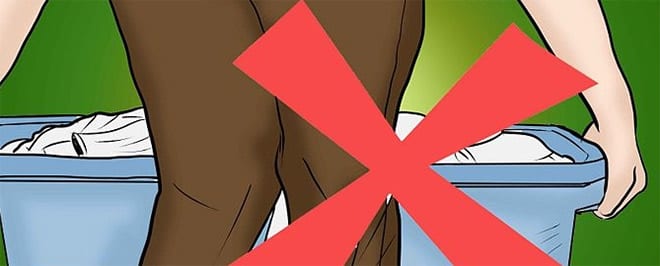
Some of these are listed below:
